
Lecture 5: New Developments - Satellite Constellations and Local Governance
Spectrum Economics Primer - video series

Course Materials

New Developments
New technologies such as low earth orbit satellite constellations, private 5G networks, and dynamic sharing zones use the radio spectrum in ways that raise policy questions and economic considerations. Economic tradeoffs for how to best allocate spectrum licenses are weighed against each other, especially when spectrum needs to be shared or when incumbents are wary of adjacent band interference.
Satellite Constellations
Companies such as SpaceX and Amazon are launching low earth orbit satellite constellations in order to increase broadband connectivity around the globe. Currently at the FCC and the ITU, the rules for non-geostationary satellite orbit (NGSO) interference and sharing have not been finalized yet, but because these technologies are coming to market, the regulators are considering how to manage congestion on the airwaves.
Operators of geostationary orbit (GSO) satellites are also seeking more spectrum for operations as well, and also raise concerns about interference with adjacent band uses, particularly in terrestrial rollouts of 5G wireless services.
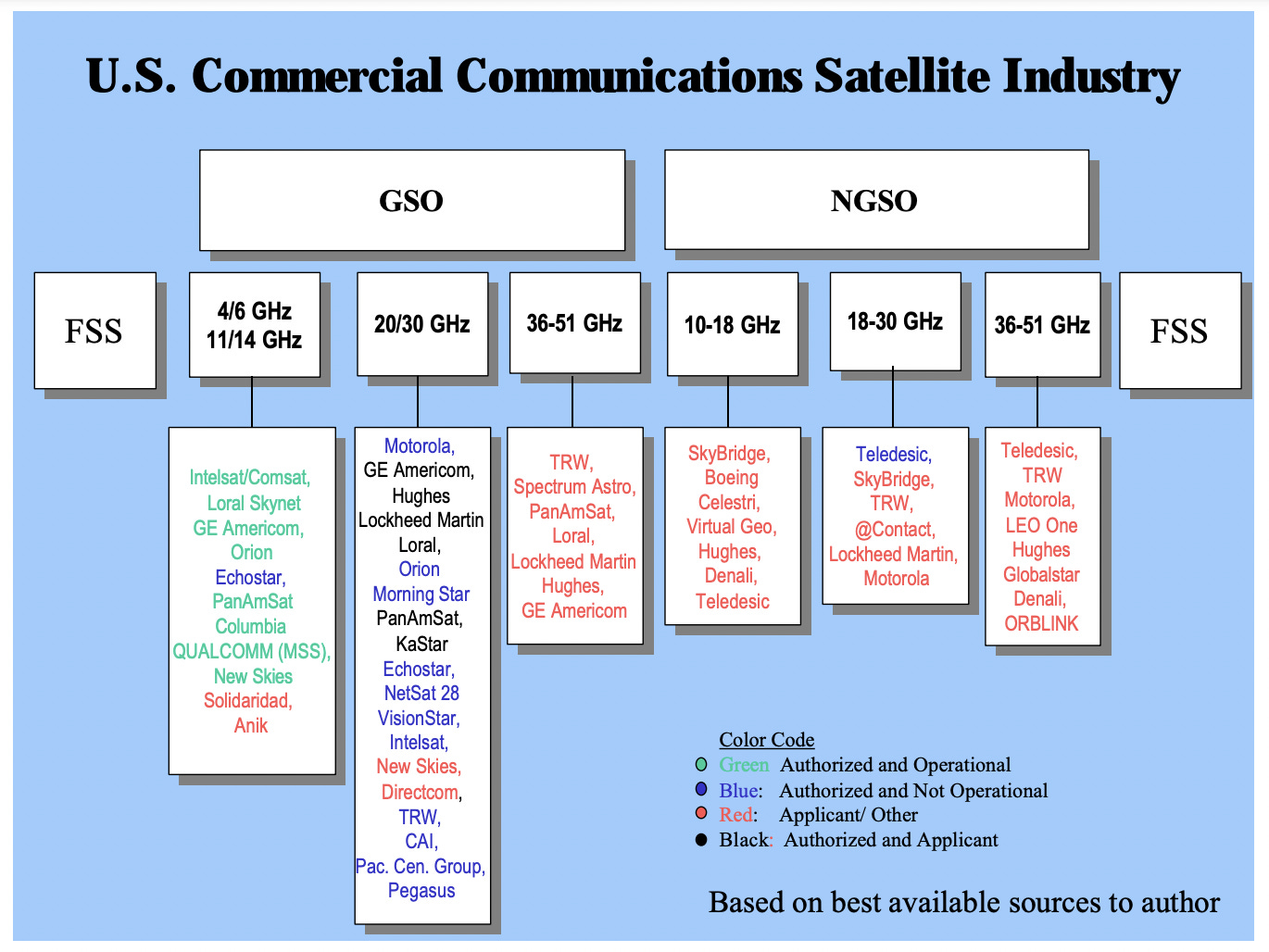
Figure 82. Satellite Operators in GSO and NGSO Bands
NGSO Low-Earth Orbit Satellites
The FCC recently opened a notice of proposed rulemaking in order to solicit comments on how to update the rules governing NGSO FSS systems (non-geostationary satellite orbit, fixed-satellite service). In particular, spectrum sharing requirements and mechanisms are at issue for these new low earth orbit satellites, and how to protect earlier-round systems and how to require sharing among satellites in the same processing round.
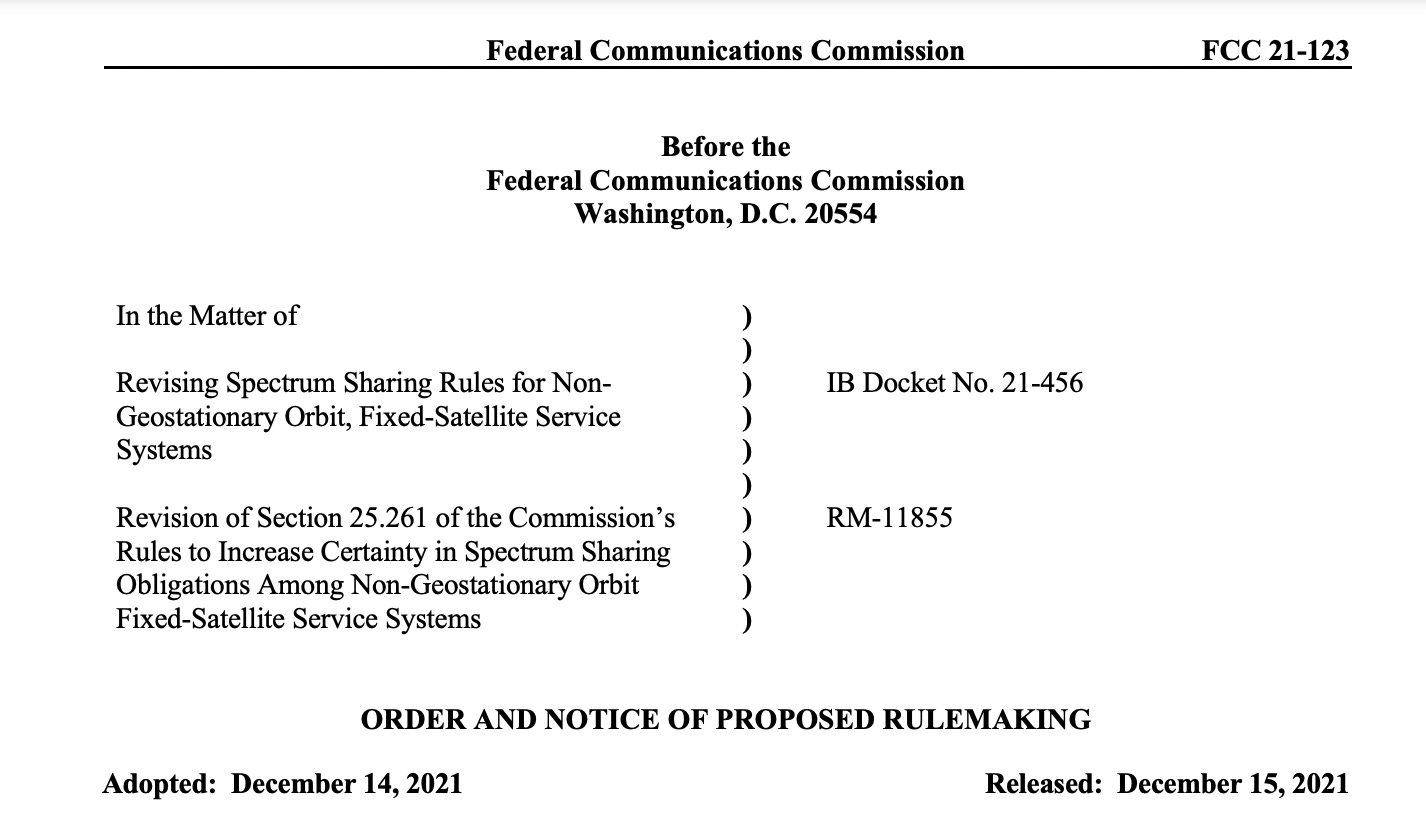
Figure 83. NGSO NPRM IB Docket No. 21-456
These satellites operate in a number of satellite spectrum bands, such as the Ka-band, and 10.7-12.7 GHz, 12.75-13.25 GHz, 13.8-14.5 GHz, 17.7-18.6 GHz, 18.8-20.2 GHz, and 27.5-30 GHz Bands, 37.5-40.0 GHz, 40.0-42.0 GHz, 47.2-50.2 GHz, and 50.4-51.4 GHz Bands.
The FCC recently issued a separate notice of proposed rulemaking to solicit comments about the use of the Ku-band in the 17.3-17.7 GHz and 17.7-17.8 GHz band for NGSO operators.
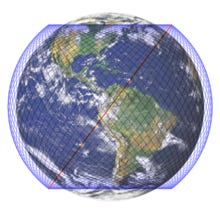
Figure 84. Starlink’s Constellation Phase 1 Plan with 1584 Satellites at 550 km Altitude
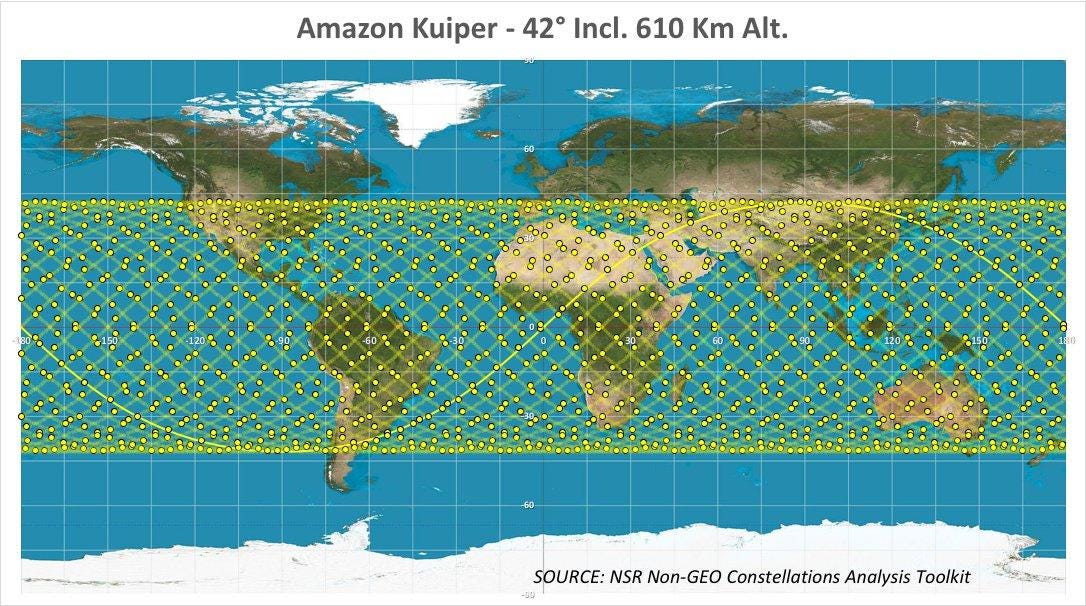
Figure 85. Amazon’s Project Kuiper’s 3,236 Satellite Plan at 590-630 km Altitude
The FCC has also issued a notice of proposed rulemaking to update its older 2004 Orbital Debris Order on how to mitigate increasing amounts of orbital debris from LEO and NGSO space station licenses. Prior to 2004, the FCC reviewed orbital debris mitigation plans on a case-by-case basis. As part of its licensing applications, satellite companies submitted debris mitigation plans to the FCC. In coordination with the Department of Commerce, NOAA, and Federal Aviation Administration, and international bodies, the federal regulators have to coordinate and be careful about legal authority and jurisdiction. The issue of orbital debris involves NASA and the Department of Defense in particular. NASA Debris Assessment Software and “large object” measurement standards are applied to NGSO satellite licensees and some petitioners asked the FCC to apply the same measurements to the GSO satellites as well. The FCC declined to apply these new standards to GSO satellites, which are currently under a disclosure standard, particular orbital locations, and well-established disposal procedures.
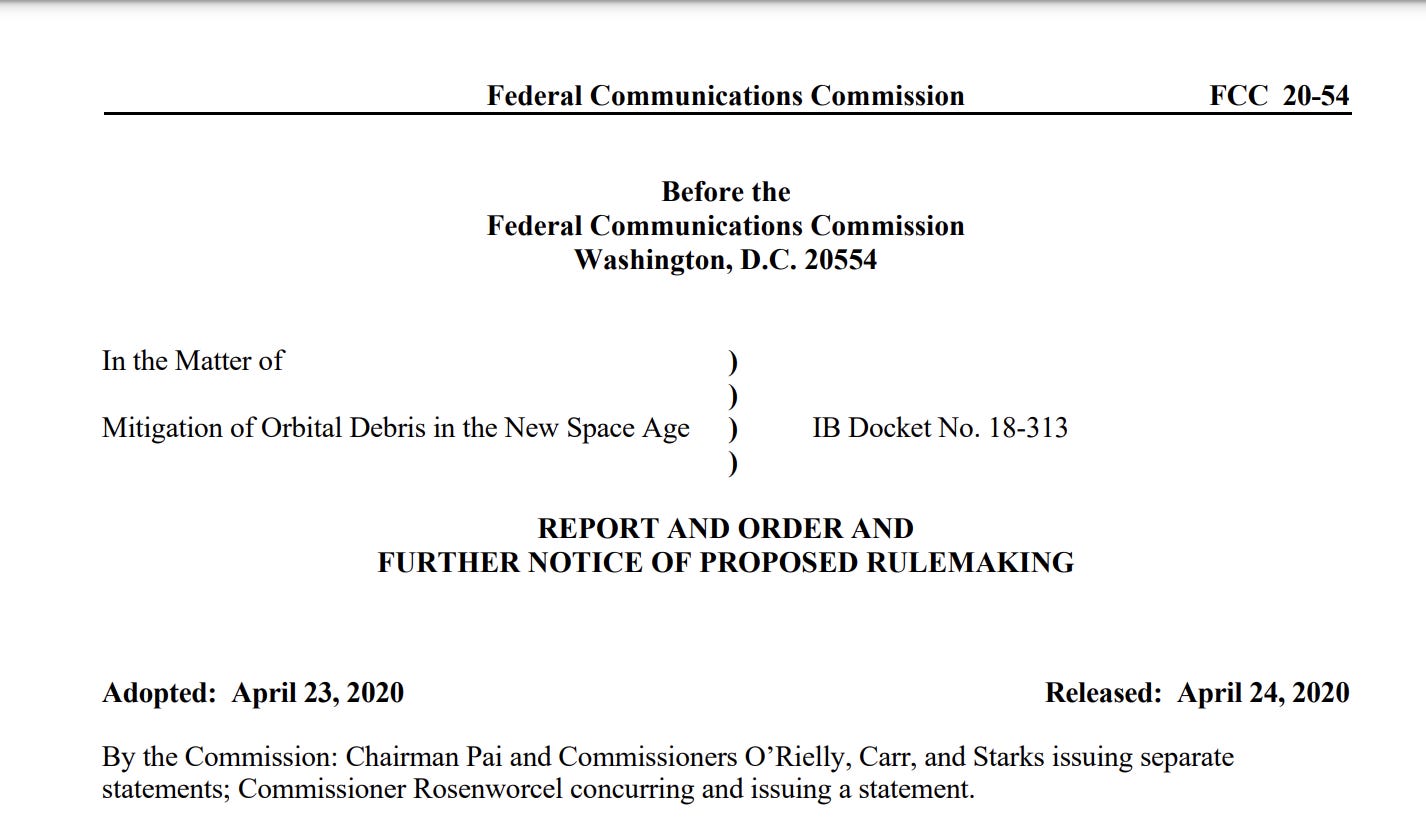
Figure 86. Orbital Debris NPRM
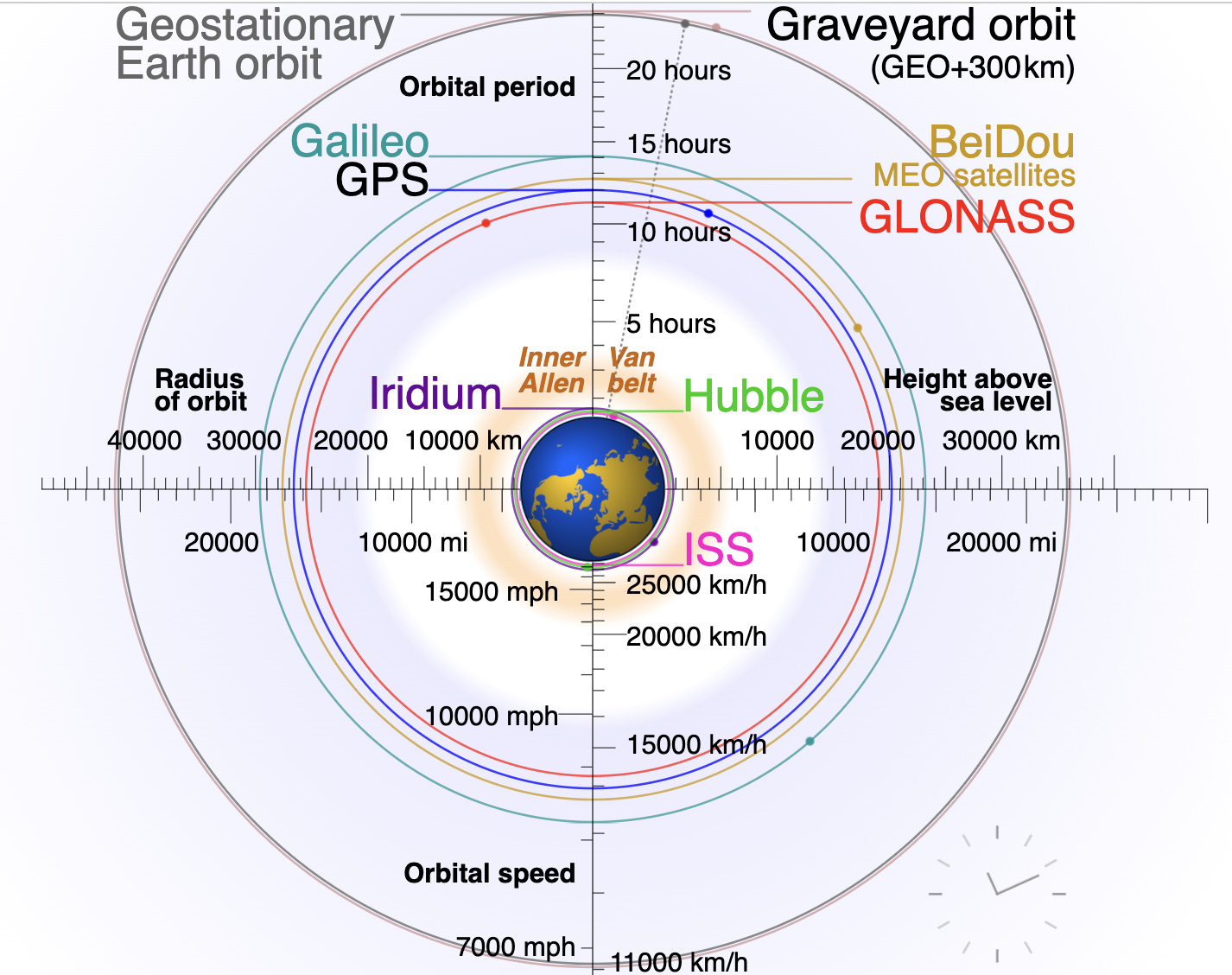
Figure 87. Graveyard Orbit or Orbital Junk
GSO Weather and GPS Satellites
There are also spectrum policy questions around the geostationary orbit (GSO) weather satellites and the global positioning system (GPS) which reside higher above the earth’s orbit in order to stay stationary in as the earth rotates. The FCC opened a notice of proposed rulemaking in August 2022 to gather comments on the use of GSO satellites (in addition to NGSO satellites) in the 17.3-17.7 GHz band. This band is part of the extended Ka-band for fixed-satellite service (FSS) which includes 17.3-18.3 GHz (space-to-Earth), 18.8-19.4 GHz (space-to-Earth), 19.6-19.7 GHz (space-to-Earth), 27.5-28.35 GHz (Earth-to-space) and 28.6-29.1 GHz (Earth-to-space) bands.
Federal users of weather data provided by GSO satellite operators and GPS satellite operators have expressed concerns about new uses from wireless licensees in adjacent bands. The Lightsquared/Ligado boundary has been ongoing for two decades, while the Spectrum Frontiers issues arose most recently with NOAA and NASA concerns in the U.S.’s participation in the 2019 World Radio Conference (WRC). In these cases, the spectrum bands at issue are the Spectrum Frontiers bands (24, 32, and 37 gigahertz (GHz)) and in the L-Band (generally 1-2 GHz, and more specifically, 1176.45 MHz (L5), 1227.60 MHz (L2), 1381.05 MHz (L3), and 1575.42 MHz (L1) frequencies for the Global Positioning System (GPS)).
In the case of the Spectrum Frontiers FCC Auction 102, the FCC held the auction as planned on 24 GHz in 2019, releasing 2,909 licenses, despite concerns from NOAA and NASA, as discussed in a Congressional hearing and a GAO report that followed.
In the matter of the L-Band, studies and proceedings have been ongoing for two decades. The debate is whether terrestrial transmitters may interfere with signals from GPS satellites in adjacent bands used by federal users such as DOD, FAA, NOAA, and others.
These satellite operators seek spectrum license approvals from the U.S. regulator but also need international approvals at the ITU and WRC due to the global nature of satellite operation and orbit paths.
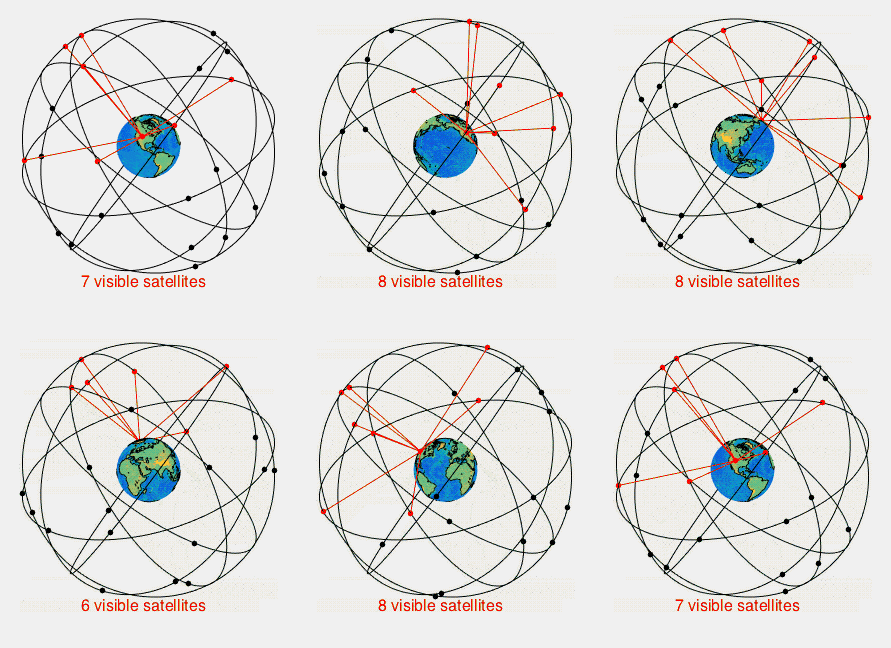
Figure 88. 24-satellite GPS constellation in motion with the Earth rotating
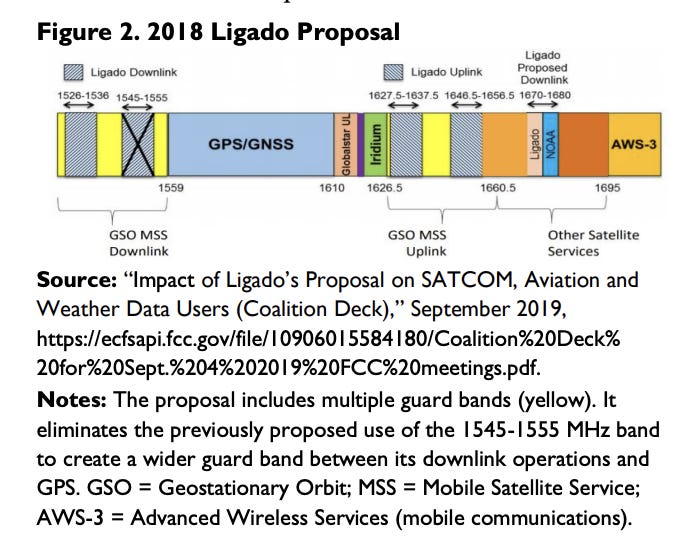
Figure 89. Band Plan for L-Band and Ligado Proposal
Local Governance
In more local and smaller geographic areas, wireless operators are using other configurations of licenses and networks to connect users on the radio spectrum. The business models that can arise from such local governance are built around different types of spectrum rights available in these local area.
Private or Enterprise 5G
Private or Enterprise 5G networks are private mobile networks offered as managed services in local areas such as industrial parks or factories or warehouses. These networks are built on spectrum bands such as Citizens Broadband Radio Service (CBRS) Generally Authorized Access (GAA) spectrum tier in the U.S. (CBRS, LTE band 48).
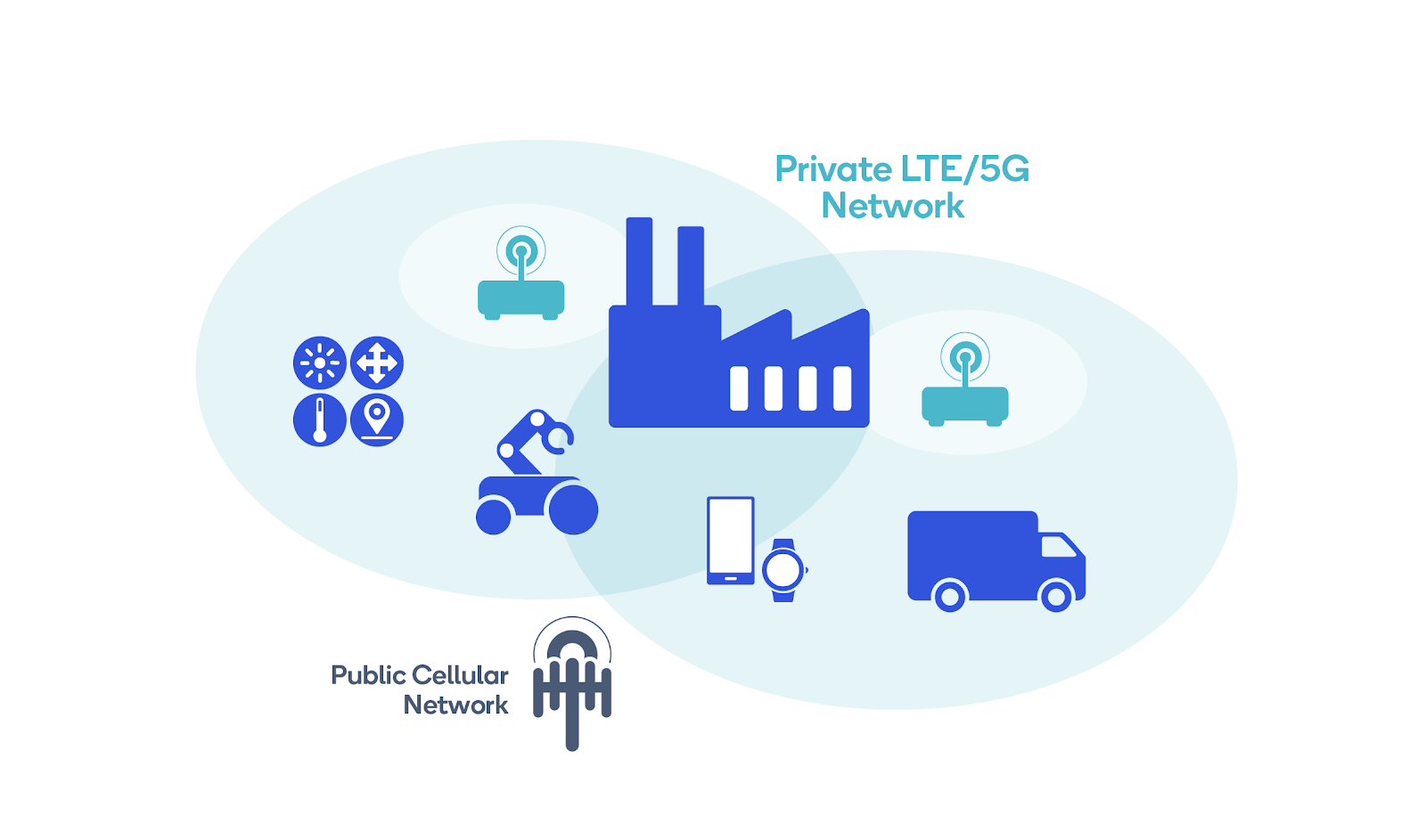
Figure 90. Private LTE/5G Network Diagram
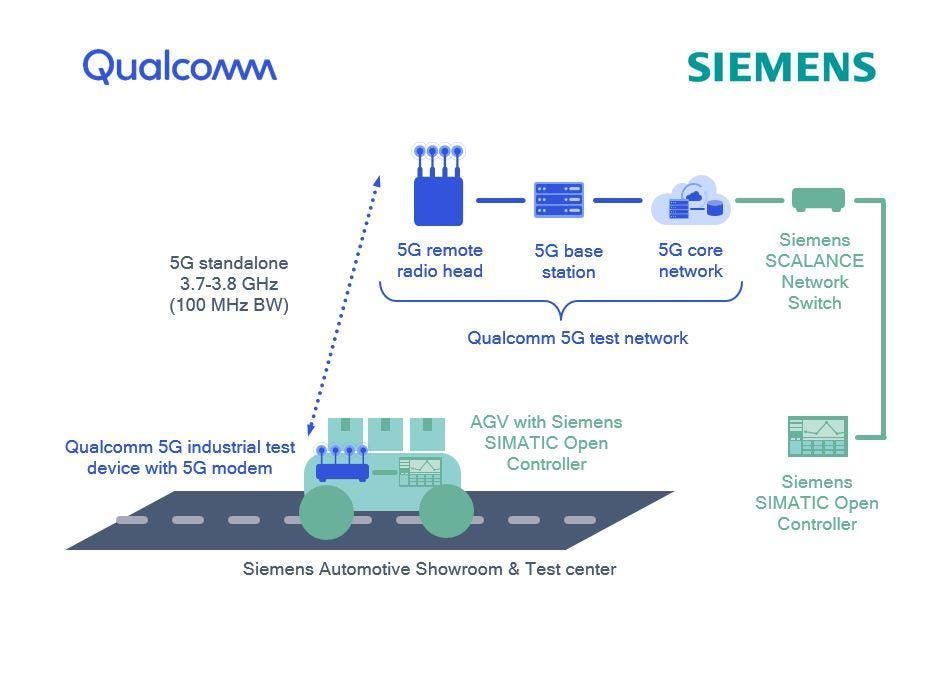
Figure 91. Private 5G Network for Industrial Applications
Recall our earlier discussion of the CBRS band and the SAS/PAL licensing regime. Many of these private 5G networks run on these bands, but have to avoid interfering with incumbent systems which include fixed satellite systems.
The new developments that we see today and going forward are more of this type of coordination between types of radios, terrestrial, fixed, satellite, that involve more than one band and geography and altitude and device manufacturer and commercial operator.
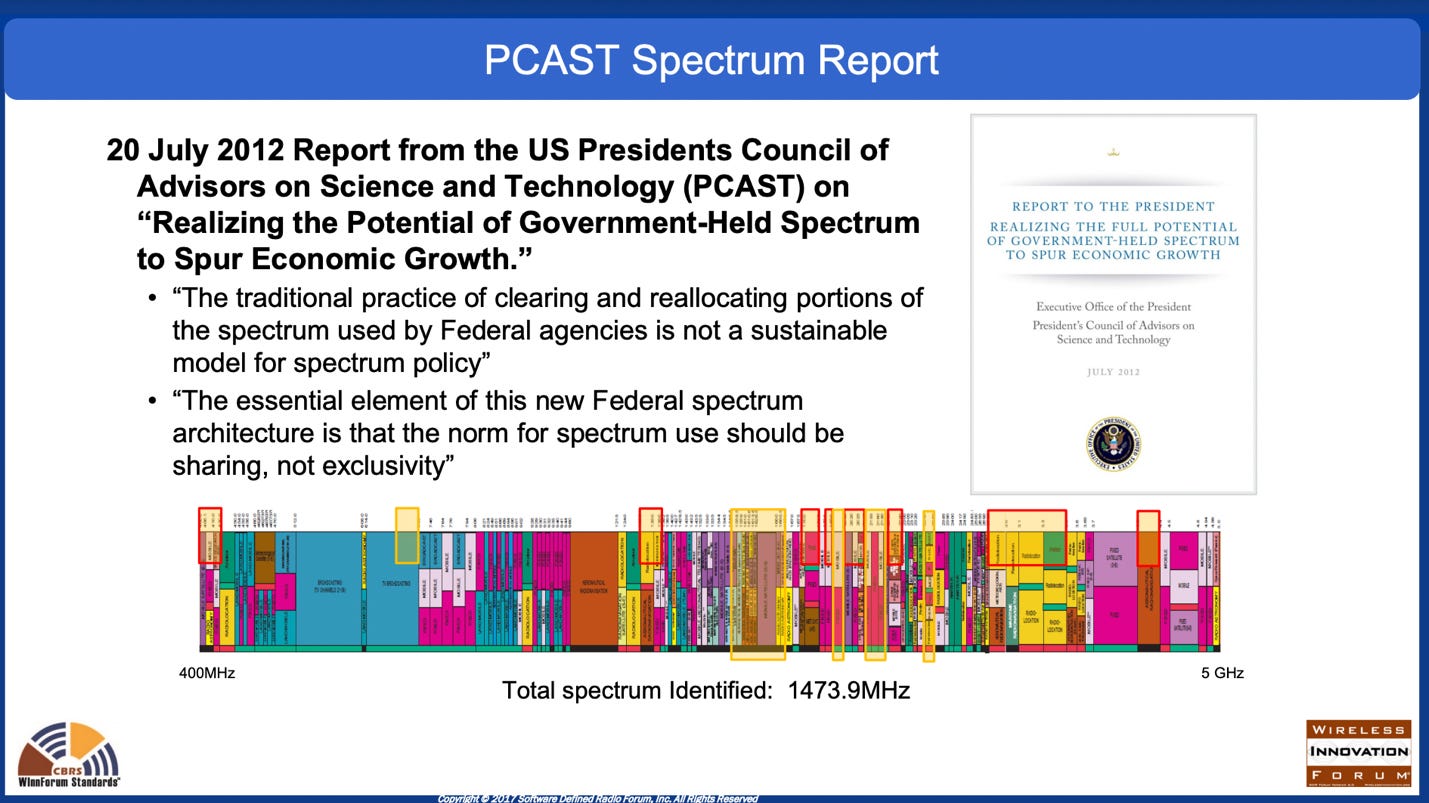
Figure 92. 3.5 GHz Band among the 1.4 GHz of Federal Spectrum Identified by PCAST
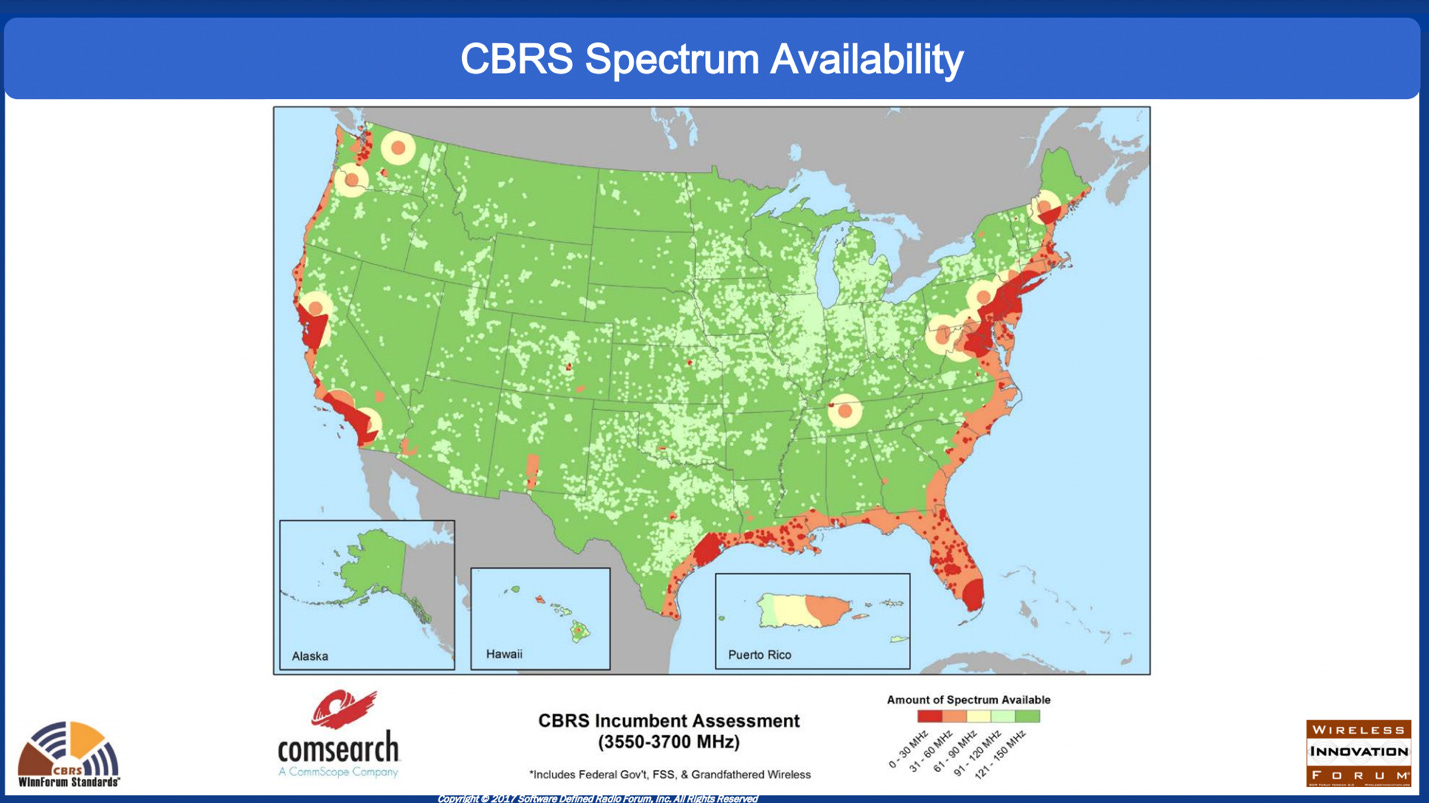
Figure 93. Federal Incumbents in 3.5 GHz using Fixed Services
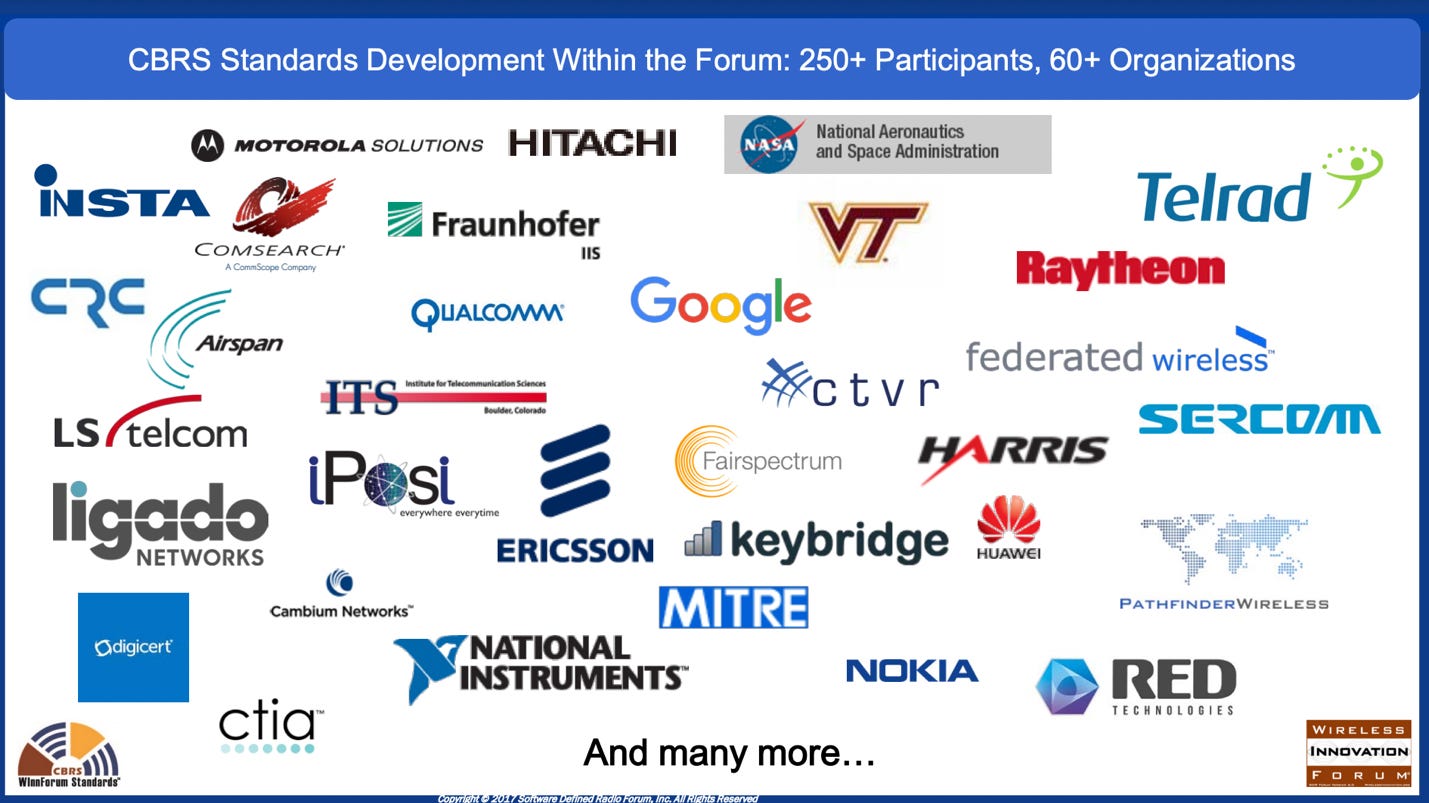
Figure 94. 250+ Participants and 60+ Organizations in CBRS
References
Congressional Research Service, “Spectrum Interference Issues: Ligado, the L-Band, and GPS, May 28, 2020, https://www.everycrsreport.com/files/2020-05-28_IF11558_d707240653ab5b7068590d74023f373f1f7a7172.pdf
FCC, Auction 102: 24 GHz, https://www.fcc.gov/auction/102/factsheet.
GAO, Report to the Committee on Science, Space, and Technology, House of Representatives, Spectrum Management: Agencies Should Strengthen Collaborative Mechanisms and Processes to Address Potential Interference, June 2021, https://www.gao.gov/assets/720/715338.pdf.
In the Matter of Amendment of Parts 2 and 25 of the Commission’s Rules to Enable GSO Fixed-Satellite Service (Space-to-Earth) Operations in the 17.3-17.8 GHz Band, to Modernize Certain Rules Applicable to 17/24 GHz BSS Space Stations, and to Establish Off-Axis Uplink Power Limits for Extended KaBand FSS Operations, and Amendment of Parts 2 and 25 of the Commission’s Rules to Enable NGSO Fixed-Satellite Service (Space-to-Earth) Operations in the 17.3-17.8 GHz Band, Report and Order and Notice of Proposed Rulemaking, Aug. 3, 2022, FCC IB Docket No. 20-330, IB Docket No. 22-273, https://www.fcc.gov/document/fcc-updates-17-ghz-rules-support-spectrum-satellite-broadband.
In the Matter of Cut-off Established for Additional NGSO FSS Applications or Petitions for Operations in the 10.7-12.7 GHz, 12.75-13.25 GHz, 13.8-14.5 GHz, 17.7-18.6 GHz, 18.8-20.2 GHz, and 27.5-30 GHz Bands, Public Notice, DA 20- 325 (IB Sat. Div. 2020)
In the Matter of Cut-off Established for Additional NGSO-like Satellite Systems in the 37.5-40.0 GHz, 40.0-42.0 GHz, 47.2-50.2 GHz, and 50.4-51.4 GHz Bands, Public Notice, DA 21-941 (IB Sat. Div. 2021); Kuiper Systems, LLC, Application for Authority to Deploy and Operate a Ka-band Non-Geostationary Satellite Orbit System, Order and Authorization, 35 FCC Rcd 8324 (2020).
In the Matter of Mitigation of Orbital Debris in the New Space Age, Report and Order and Further Notice of Proposed Rulemaking, 35 FCC Rcd 4156, 4158, para. 3 (2020), https://www.fcc.gov/document/fcc-updates-orbital-debris-mitigation-rules-new-space-age-0; https://docs.fcc.gov/public/attachments/FCC-20-54A1.pdf.
In the Matter of Revising Spectrum Sharing Rules for Non-Geostationary Orbit, Fixed-Satellite Service Systems and Revision of Section 25.261 of the Commission’s Rules to Increase Certainty in Spectrum Sharing Obligations Among Non-Geostationary Orbit Fixed-Satellite Service Systems, FCC IB Docket No. 21-456, RM-11855, Order and Notice of Proposed Rulemaking, Dec. 15, 2021, https://www.fcc.gov/document/fcc-moves-facilitate-satellite-broadband-competition-0.
ITS/NTIA, Satellite Coordination and Policy, Office of Spectrum Management, ITS/NTIA, “Spectrum Issues Related to Satellite Communications,” (ed. Edward M. Davison, Program Manager), p. 5, https://its.ntia.gov/media/30236/dav_s.pdf.
U.S. House of Representatives, Committee on Science, Space, and Technology, Hearing: Spectrum Needs for Observations in Earth and Space Sciences, July 20, 2021, https://science.house.gov/hearings/spectrum-needs-for-observations-in-earth-and-space-sciences.
Wireless Innovation Forum, Building an Ecosystem for the CBRS Band, May 18, 2017, https://www.wirelessinnovation.org/assets/Proceedings/2017Europe/Pucker%20presentation.pdf.
Conclusion
This course examined spectrum economics and market tools such as auctions, secondary markets, unlicensed bands, and experimental licenses. Course material covered the foundations of spectrum valuation, allocation methods, and economic concepts. Students were given two assignments, a research paper and a presentation, to discuss a spectrum auction and to teach other students about a headline event in spectrum policy.